






Home › Blog › Wellness & Lifestyle
Burnt Out at 32? Why Millennials Choose Vinyasa Yoga
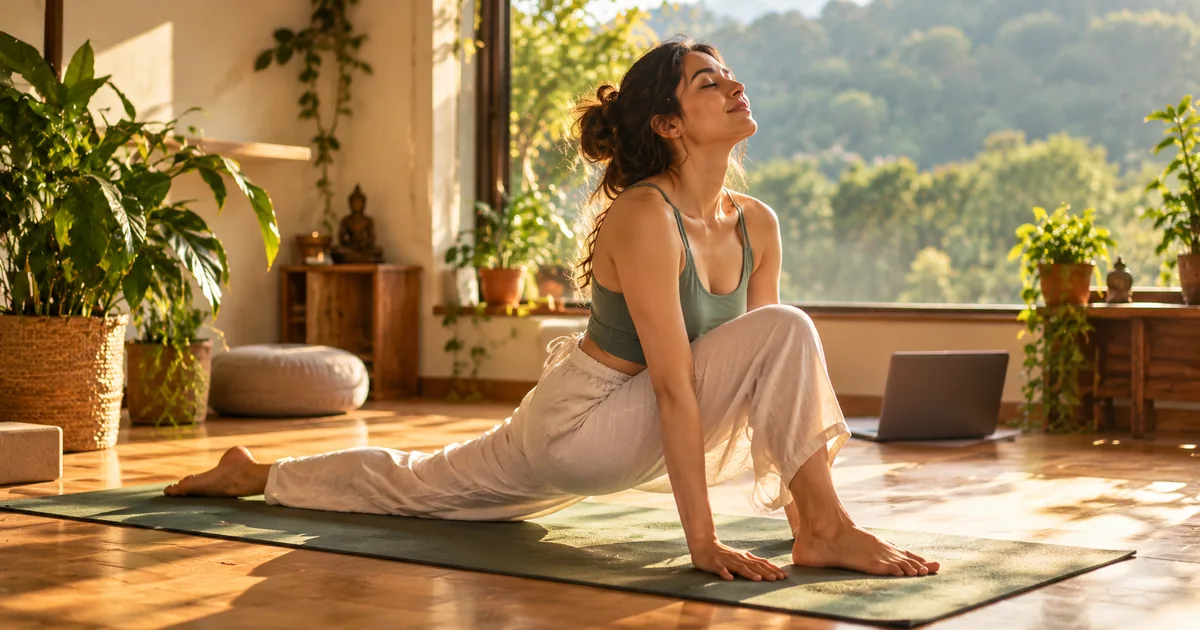
Table of Contents
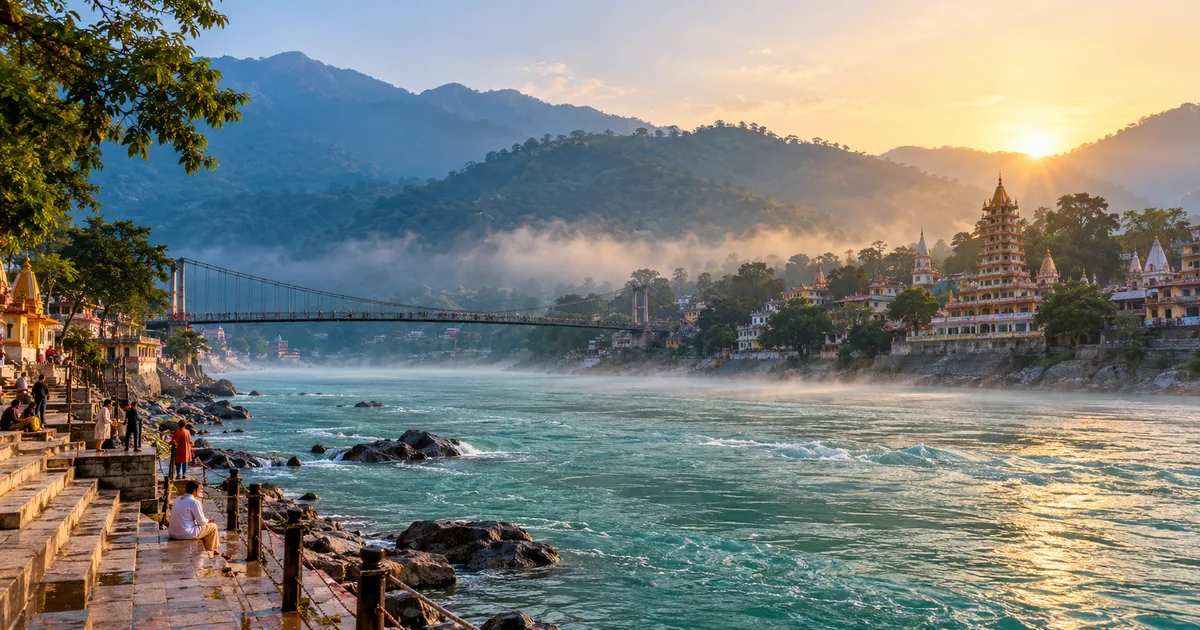
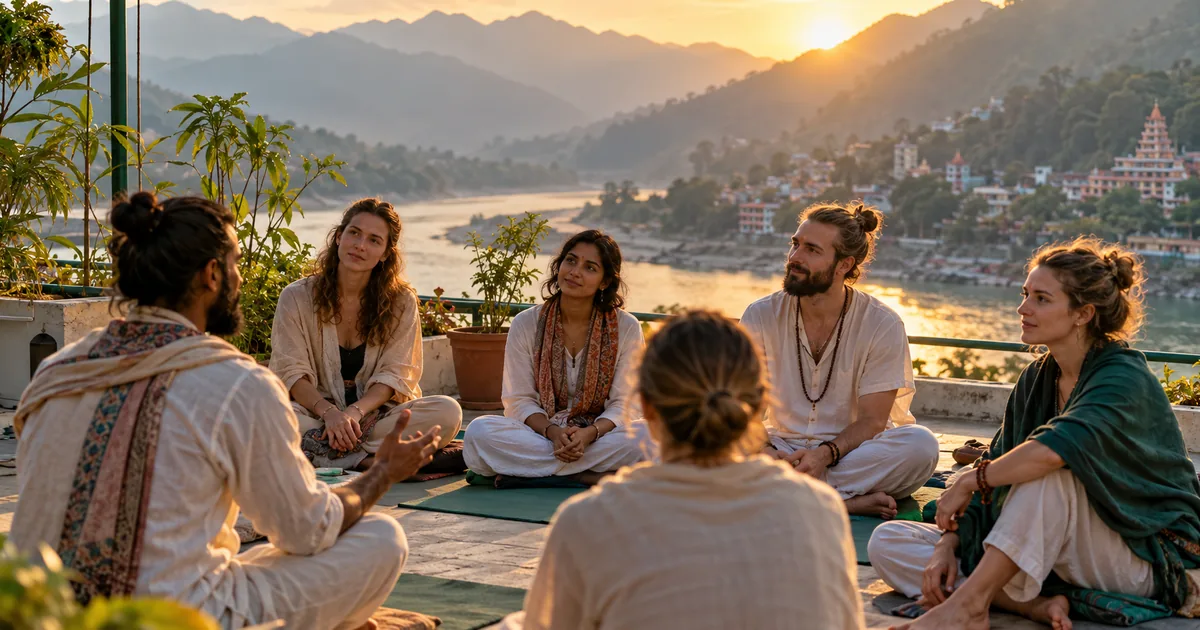
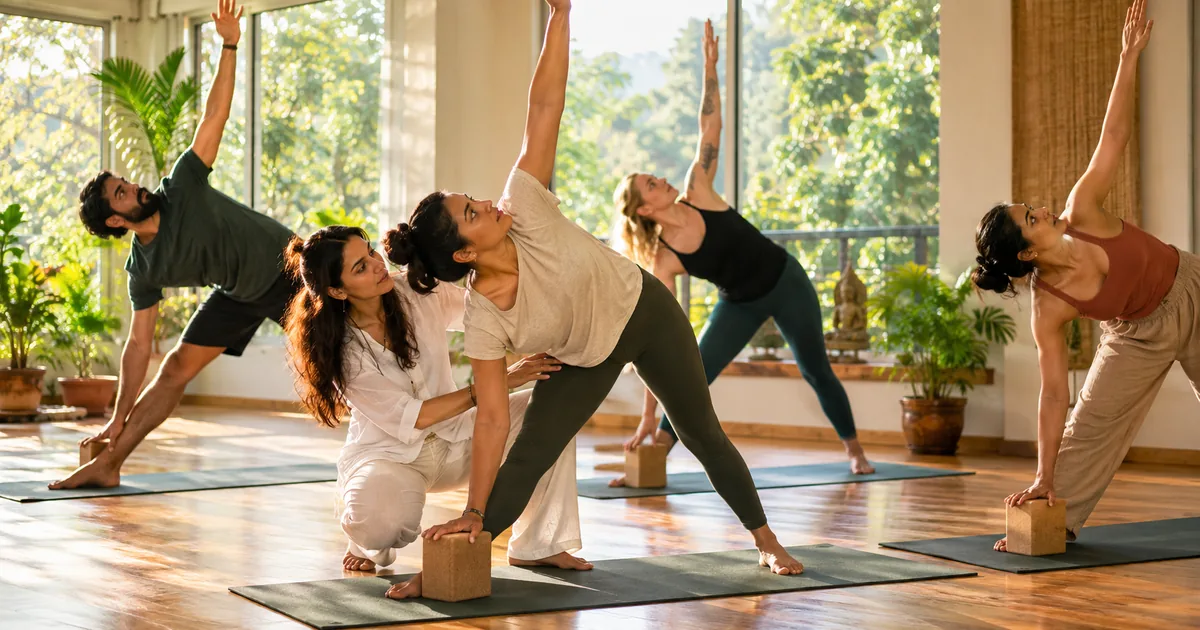
The average age in our batches has dropped. Ten years ago a yoga teacher training in Rishikesh was mostly people in their forties and fifties taking a sabbatical. Now a large share are between 28 and 38, and when you ask why they came, the answers rhyme: exhausted, wired, cannot switch off, sleeping badly, on a screen fourteen hours a day.
They are not chasing flexibility. They are trying to put down a nervous system that has been running hot for years. And a surprising number of them land on Vinyasa yoga specifically.
Why Vinyasa, and not something calmer
This is the part that seems backwards. If you are burnt out, why choose the fast, sweaty style rather than restorative or yin?
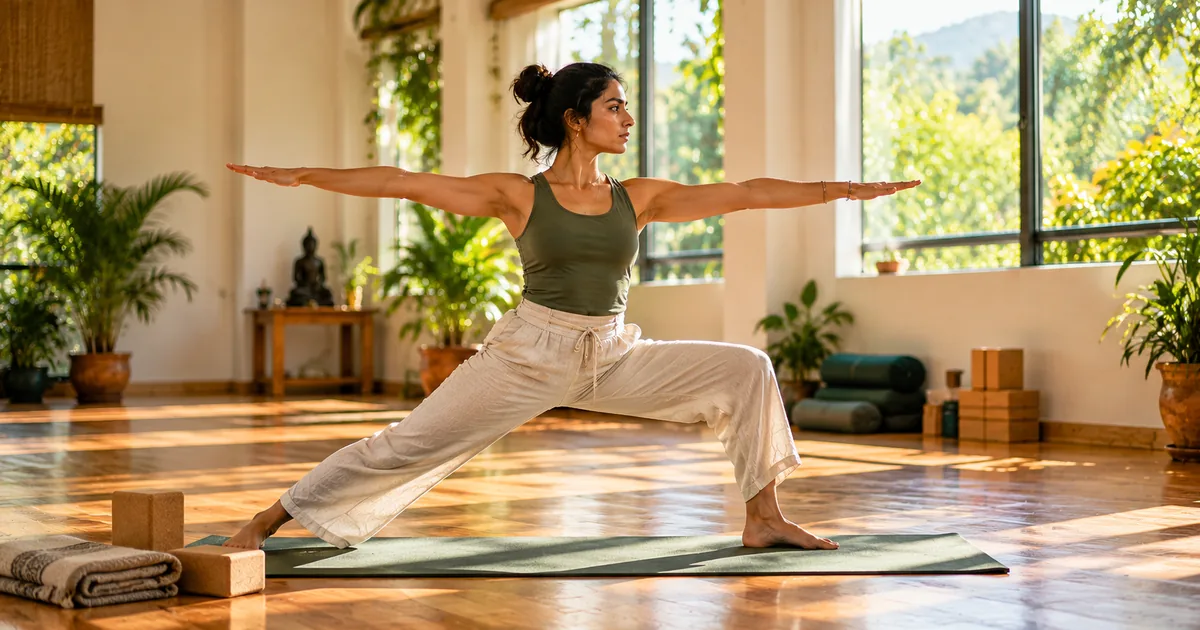
Because a mind running at that speed cannot be asked to stop dead. Tell someone with two years of accumulated stress to lie still and breathe, and they will spend twenty minutes composing emails in their head. Vinyasa gives the mind a job — move on this breath, now this one — and it is just demanding enough that there is no spare capacity for the inbox.
It tires you out honestly. Then savasana works, because by then there is nothing left to think with.
Most people who arrive for the movement stay for what comes after it. The sequence that actually helps is usually vinyasa first, then pranayama, then meditation — in that order, because each one makes the next possible.
The screen problem, physically
Fourteen hours a day on a screen does predictable things to a body, and they show up in the first week of any course.
- The upper back rounds and the chest shortens. Nearly every student under 40 arrives with this.
- Hip flexors shorten from sitting, which quietly tilts the pelvis and loads the lower back.
- Breathing moves up into the chest. Shallow, fast, and permanently signalling mild alarm to the nervous system.
- The neck carries the head forward, which is where a lot of tension headaches come from.
None of this is exotic and none of it needs a month in India to fix. But the breathing one matters more than people realise: chest breathing keeps the body in a low-grade stress response all day. Retraining it is most of what pranayama is for.
What actually helps, in order
If you are in this position and cannot take a month off, this is the honest minimum.
- Breath first. Five minutes a day of slow nasal breathing with a longer exhale than inhale. Dull, free, and the single highest-return thing on this list.
- Move three times a week, not seven. Consistency beats intensity and prevents the two-week burnout cycle.
- Open the front of the body. Chest, hip flexors, shoulders — the things sitting closes.
- Finish lying down. Savasana is not the cooldown; it is where the nervous system consolidates.
- No screen for the first thirty minutes after waking. Nothing to do with yoga. Works anyway.
An honest caveat
Yoga is not treatment for clinical anxiety or depression, and a month in Rishikesh will not resolve a situation that needs a doctor or a therapist. We have had students arrive hoping it would, and it is not fair to let that expectation stand.
What a sustained practice does reliably is lower the baseline — sleep, breathing, the speed at which you react. That is a real change, and for a lot of people it is enough. For some it is not, and that is a medical question rather than a yoga one.
Why a month changes more than a year of classes
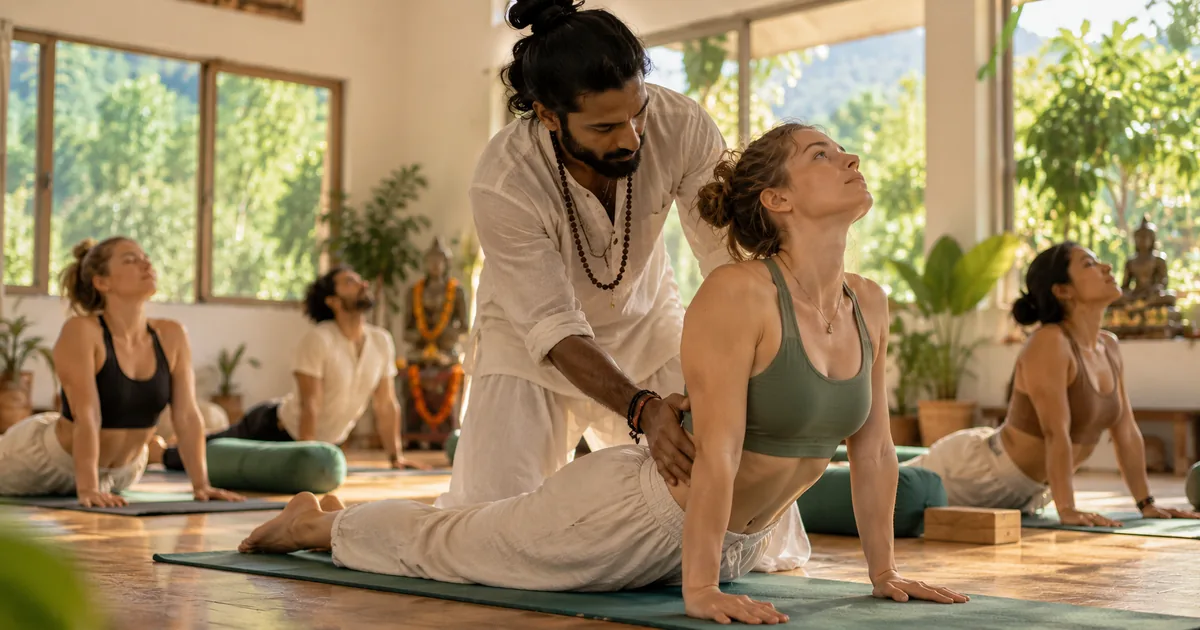
A weekly class fights your week. A residential month removes the week entirely — no commute, no inbox, no decision about whether to go. Practice twice a day for four weeks and the change is not incremental, because you are no longer undoing it in between.
That is the actual argument for a 200 Hour Yoga Teacher Training in Rishikesh even if you never plan to teach — and a good half of the people in any batch do not.
Related reading
This article is general information and not medical advice. If you are managing anxiety, depression or burnout, please speak to a doctor — yoga sits alongside that, not instead of it.