






Home › Blog › Rishikesh & Yoga Tourism
Rishikesh for Solo Female Travellers: An Honest Safety Guide
Table of Contents
Rishikesh is one of the easier places in India for a solo female traveller: it is a dry, vegetarian pilgrimage town, it is used to international visitors, and a residential yoga course means you arrive into a group rather than into a city alone.
Quick answer: most women travel here alone without difficulty. The sensible precautions are the ordinary ones — arrive in daylight, book your first nights before you land, dress modestly, and avoid the river at night.
We are a school here, so we are not a neutral source. What follows is what we actually tell women who write to us asking.
Is Rishikesh safe for solo women?
Broadly yes, and more so than many parts of India. That is not a guarantee — no honest answer is — but the conditions here are unusually favourable.
Alcohol is banned across the town, which removes the single biggest factor behind late-night trouble in most places. It is a pilgrimage destination, so the social norms are conservative and visible. And there is a large, constant international community, so a woman walking alone is completely unremarkable.
Why it is easier than most of India
- No alcohol anywhere. No bars, no drunk crowds, nothing open late.
- The town sleeps early. By ten most of Tapovan and Laxman Jhula is quiet.
- Everyone is a visitor. You are not conspicuous; half the street is also here for a month.
- Short distances. In Tapovan you can walk to cafes, shops and the river without transport.
- A visible yoga community. If something feels wrong, there are people to ask within a minute.
The real risks, not the imagined ones
The things that actually go wrong here are rarely what people fear before arriving.
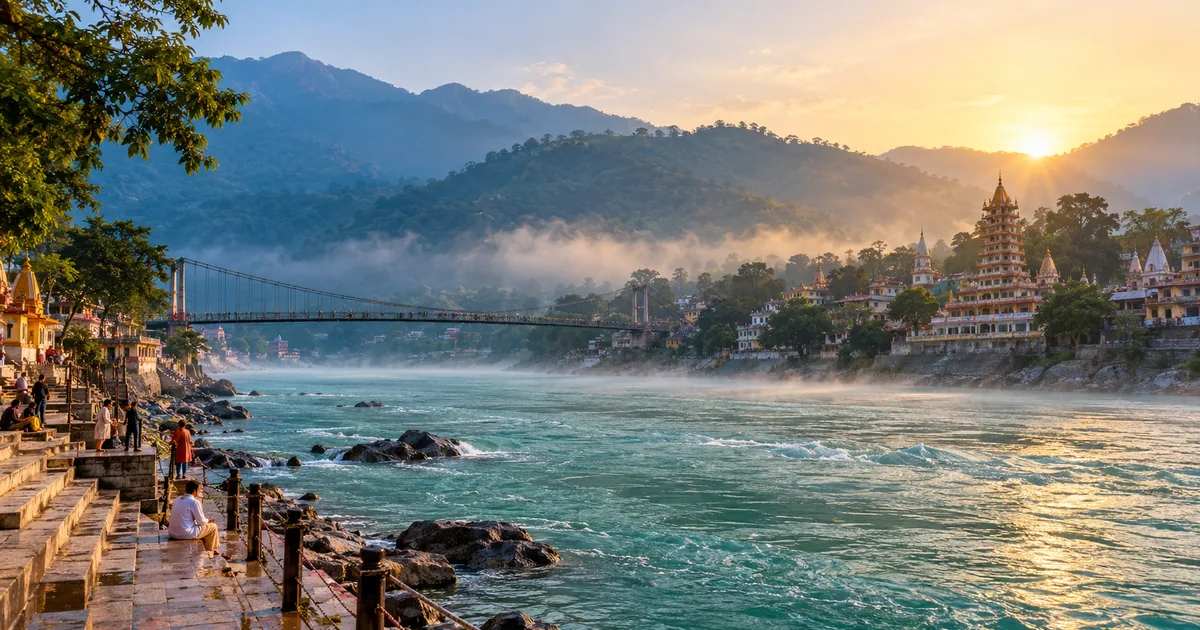
- The river. The Ganga is fast mountain water, not a swimming river, and it has taken strong swimmers. This is the genuine danger in Rishikesh. Go in only at the edges, only where locals do, and never alone.
- Traffic. Narrow lanes, motorbikes, no pavements. Walk facing the traffic.
- Stomach upsets in the first week. Bottled or filtered water, and be careful with street food until you have settled.
- Monkeys. Not a joke — they take food and bags, especially near the bridges. Do not carry food openly and do not make eye contact.
- Staring and the occasional unwanted conversation. Usually curiosity rather than threat. A firm, unsmiling "no" ends almost all of it.
- Unregistered "teachers" offering private sessions or healing. Book through a school, not through someone who approaches you in a cafe.
Practical rules worth following
- Arrive in daylight. The road from Dehradun or Haridwar is far more pleasant and easier to navigate before dark.
- Book an airport or station pickup. Most schools arrange one, ours included. Being met is worth more than the fare.
- Dress modestly off the mat — shoulders and knees covered. It is a pilgrimage town, and it noticeably reduces attention.
- Get a local SIM in the first day or two so you can call and use maps.
- Share your arrival details with someone at home and with the school.
- Trust the ordinary instinct. If a lane feels wrong at night, turn around. Nothing in Rishikesh is worth walking down it.
Why a residential course helps
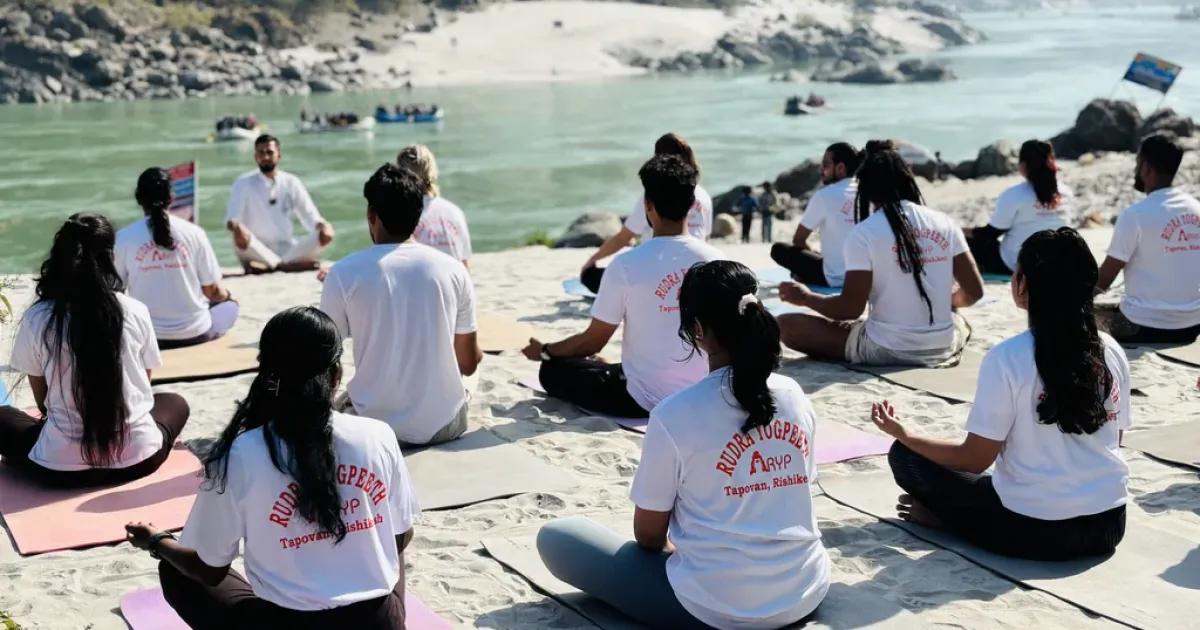
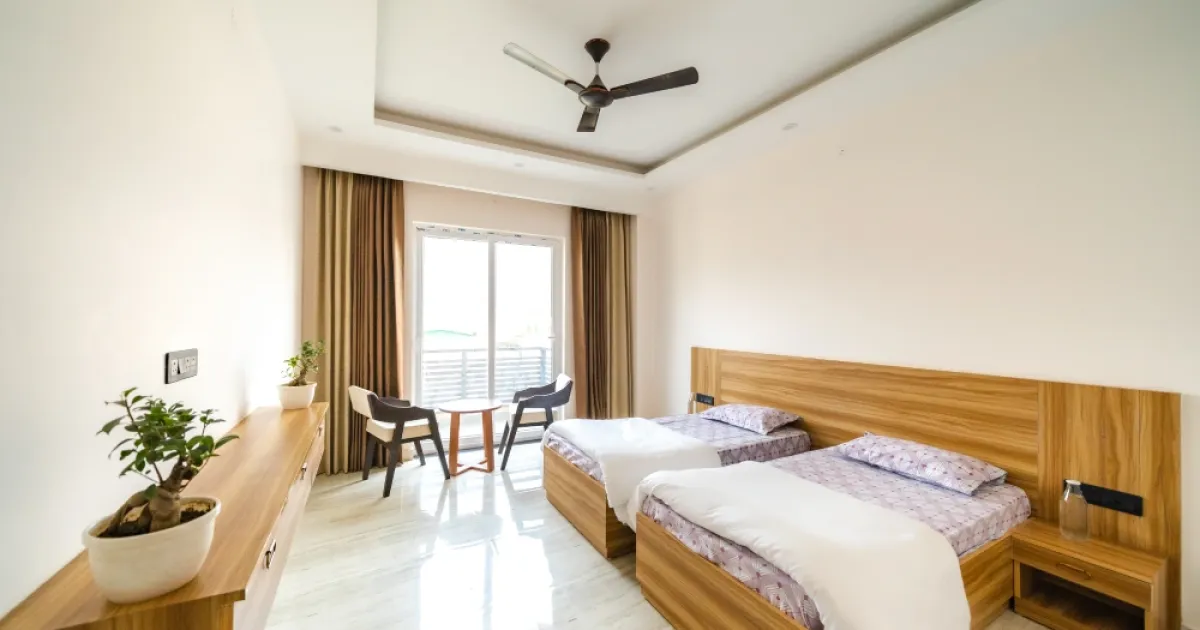
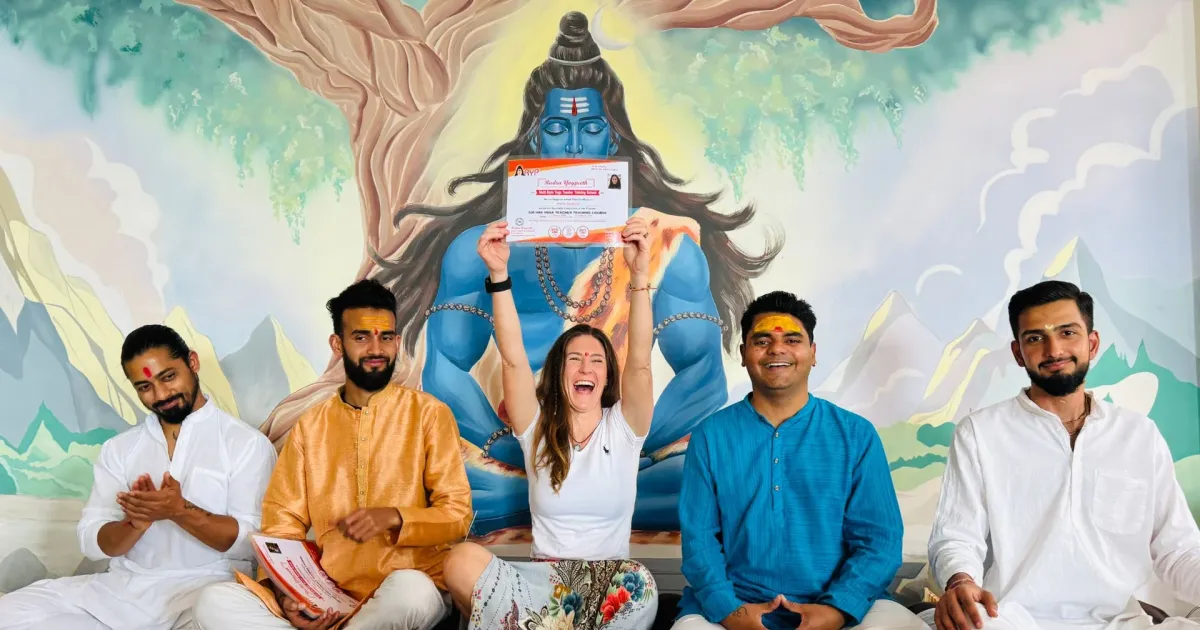
If this is your first solo trip to India, a residential training removes most of the variables at once. You have a room from the day you land, three meals a day, and a group of 15 to 20 people who arrive the same week and quickly become the reason the month works.
You are not navigating a new country alone and deciding where to eat every night. You walk out of the airport, someone meets you, and from there the schedule holds the days together. Many of the women who train with us arrive nervous about travelling alone and leave having planned the next trip.
Bottom line
Rishikesh is a comparatively easy place to travel alone as a woman — dry, conservative, walkable and full of other visitors. The real dangers are the river, the traffic and the monkeys rather than the people. Arrive in daylight, book a pickup, dress modestly and you will almost certainly be fine.
If it would help to arrive into a group rather than alone, our 200 Hour Yoga Teacher Training is residential, 24 days, from ₹18,999 all-inclusive, with pickup arranged. Ask us anything before you book — including the awkward questions.
Frequently Asked Questions
Is Rishikesh safe for solo female travellers?
Broadly yes, and more so than many parts of India. Alcohol is banned across the town, the social norms are conservative, distances in Tapovan are walkable, and there is a large constant international community, so a woman walking alone is unremarkable.
What are the real dangers in Rishikesh?
The Ganga is the genuine one: it is fast mountain water, not a swimming river, and it has taken strong swimmers. After that, the narrow traffic-filled lanes, stomach upsets in the first week, and monkeys who take food and bags near the bridges.
What should a woman travelling alone to Rishikesh do first?
Arrive in daylight, book an airport or station pickup in advance, have your accommodation confirmed before you land, get a local SIM in the first day or two, and share your arrival details with someone at home.
Is a residential yoga course good for a first solo trip to India?
It removes most of the variables. You have a room from the day you land, three meals a day and a group of 15 to 20 people arriving the same week, so you are not navigating a new country alone or deciding where to eat every night.