






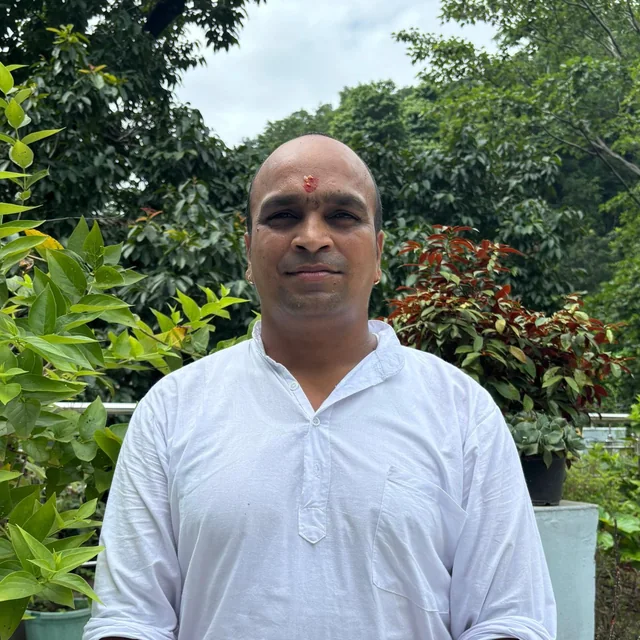




Nicoll Constantino
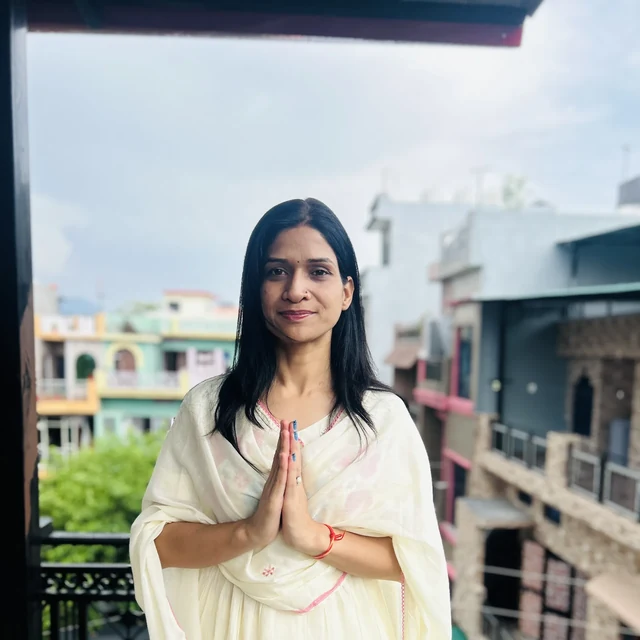
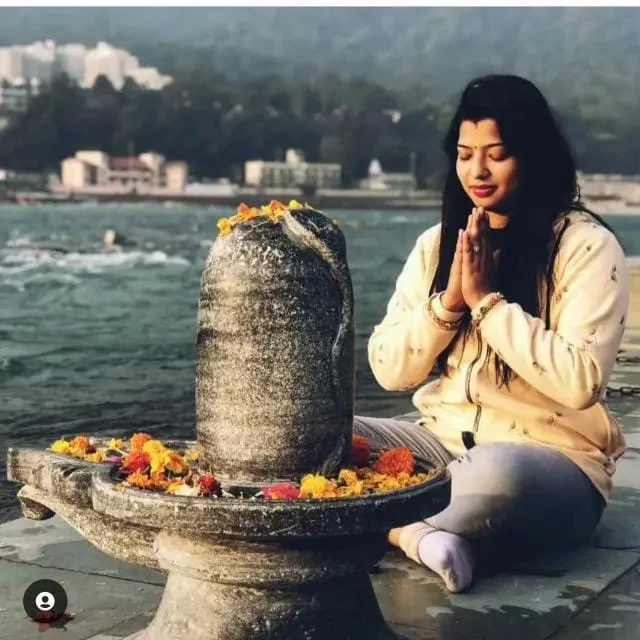
The yoga classes were absolutely incredible. The teachers are highly knowledgeable, professional and truly dedicated to teaching every step with intention, patience and care.

Rudra Yogpeeth
The 300 Hour Yoga Teacher Training in Rishikesh at Rudra Yogpeeth is a Yoga Alliance certified residential programme for teachers who have already completed their 200-hour training and are ready to go further. It is the step that takes you from qualified to confident — and on completion it makes you eligible to register as an RYT 500, a globally recognised credential that opens higher-level teaching opportunities worldwide.
Over 28 days you move past the fundamentals into advanced asana, pranayama, meditation, yoga philosophy, anatomy and yoga therapy. Every module is taught so that it is directly usable in a real class, not only in theory — and every session is led by a specialist who holds an RYT 500 certification and more than 10 years of teaching experience, trained in the living tradition of Himalayan yoga.
Whether you want to teach internationally, lead your own retreats, or simply take your personal practice to its deepest level, this is where your journey makes its most significant move forward. You finish with a 300 Hour Yoga Teacher Training certificate from Rudra Yogpeeth which, combined with your 200-hour, makes you eligible for RYT 500 registration — the designation that tells studios and students you have completed advanced training and can teach with real depth, clarity and confidence anywhere in the world.
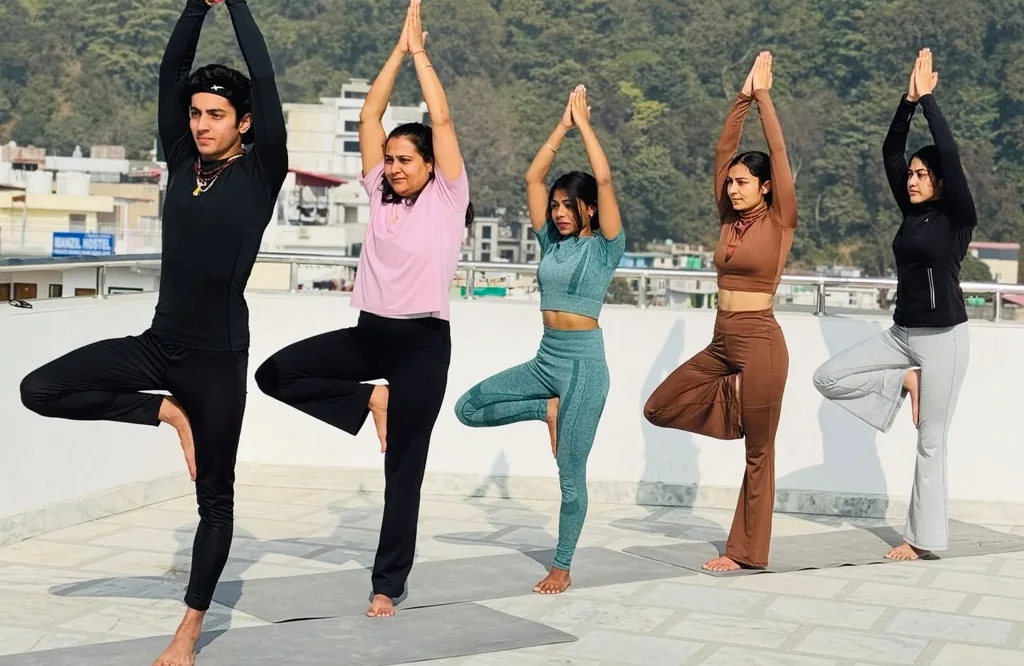
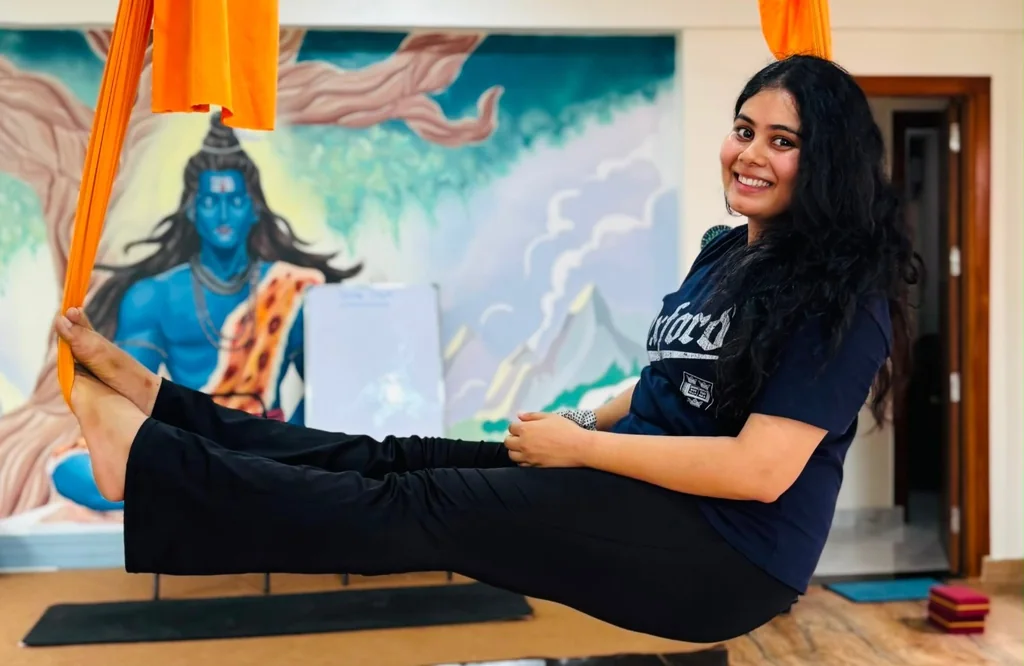
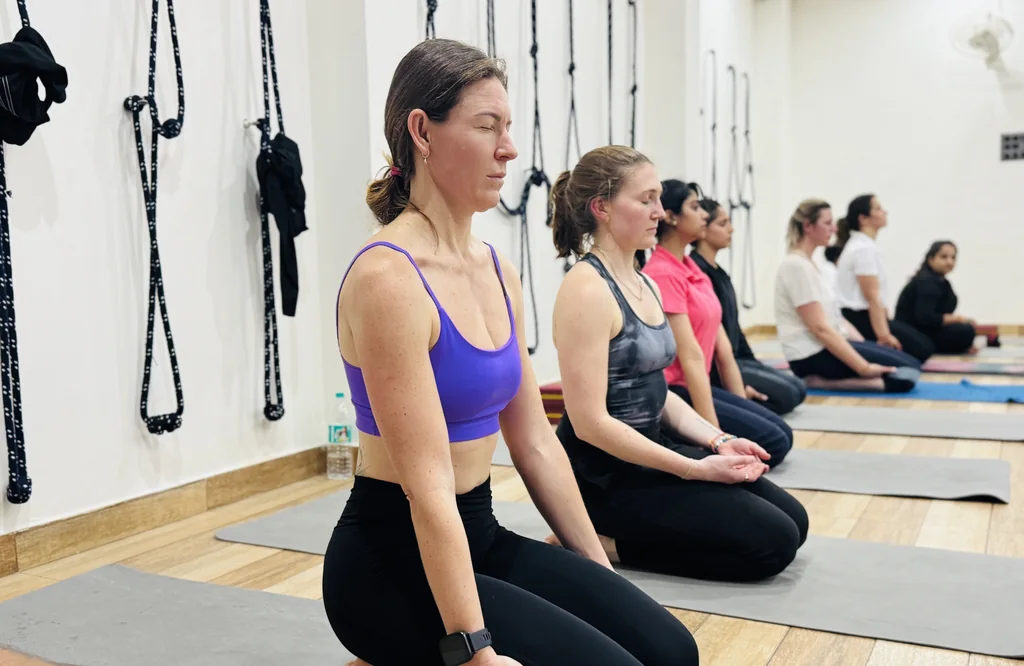


Understanding The Basics
The 300 Hour Yoga Teacher Training (YTTC) is the globally recognised entry-level certification for aspiring yoga teachers, standardised by Yoga Alliance USA — covering asana, breathwork, philosophy, anatomy and teaching methodology over a minimum of 300 contact hours.

The course is designed in a step-by-step way so you can build your personal practice while also learning how to teach yoga with confidence.

You gain a well-rounded understanding of yoga through both practical training and theoretical study, experiencing the practice deeply while learning the knowledge behind it.

Once you complete this training, your 200 and 300 hour certifications combine to the RYT 500 level, and you can continue with our 500 Hour Yoga Teacher Training in Rishikesh.
Course Structure
The 300 hour curriculum is organised around the traditional pillars of yoga and covers advanced modules subjects across the full duration of the course — each taught as its own dedicated module by a specialist teacher, so the depth you get in every area is genuine and not surface-level.
Each subject is revisited through the course so rather than studying one topic for a week and moving on, you return to every subject consistently. This repetition — the traditional gurukul method — is what makes 28 days of genuine immersion noticeably different from the same number of hours spread across weekends at home.
Our Milestones
Celebrating Our Journey Through Remarkable Achievements.


Inclusions and Requirements
Your 300 Hour Yoga TTC in Rishikesh at Rudra Yogpeeth is a fully all-inclusive residential programme; your stay, daily meals, yoga accessories like yoga mats, props, and bolsters, yoga-related study materials, weekly excursions, and YTTC completion certificate are all included in the course fee so you can focus completely on your learning experience.
Discipline In Our Yoga Community
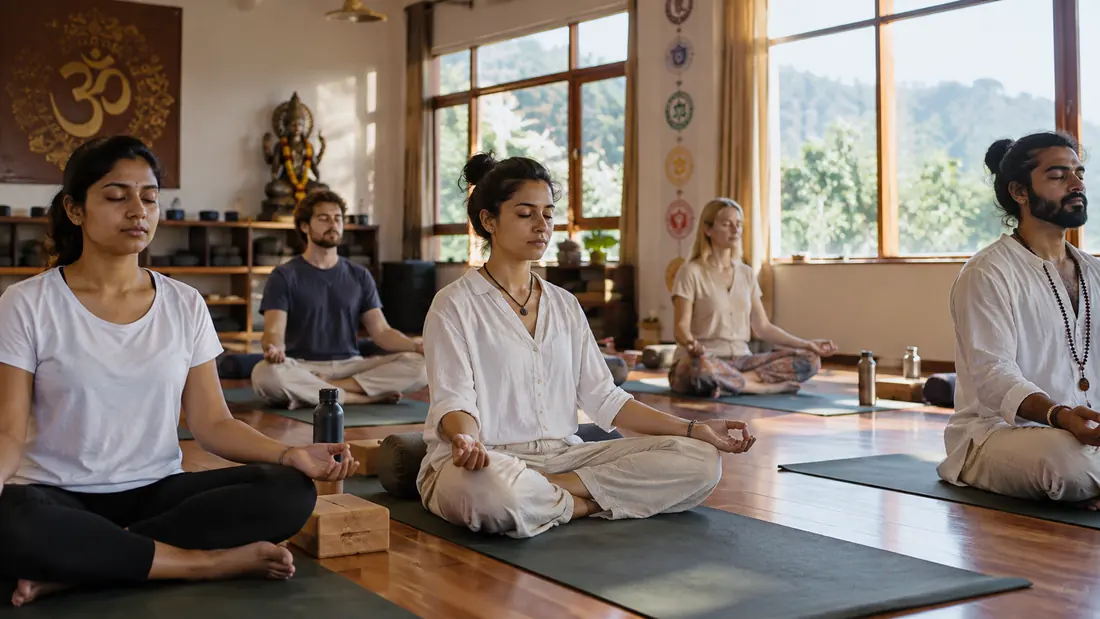

At Rudra Yogpeeth, you’re not just coming for classes; you’re living together as a small yoga community. Here, we follow the idea of Karma Yoga, which simply means doing your part with awareness. Keeping your space clean, being on time, and respecting others are small things, but they make a big difference in how you experience the course. Over time, this naturally builds discipline and focus.
During your stay, we maintain a simple and clean lifestyle. Only vegetarian meals are served, and the use of alcohol, tobacco, non-vegetarian food, or any kind of drugs is not allowed. This environment is created to support your yoga practice, helping you stay clear in mind, balanced in body, and fully present in your learning experience.
How Your Day Looks Like
The daily routine is simple and well-balanced to support your learning during the 300 hour yoga TTC in Rishikesh at Rudra Yogpeeth. Your day begins at 5:00 AM with Yoga Sadhana, followed by Ashtanga Vinyasa practice, Pranayama and Meditation. Classes run until 6:30 PM, with dedicated breaks for meals, rest and self-study. On average, you get 8–10 hours of structured teaching each day.
Day by day, this simple yet powerful routine helps you develop discipline, confidence and a genuine love for yoga.
| Time | Class |
|---|---|
| 5:00 AM | Morning Bell |
| 6:30 AM - 7:30 AM | Shatkarma & Pranayama |
| 7:30 AM - 9:00 AM | Traditional Hatha Yoga |
| 9:00 AM - 10:00 AM | Breakfast |
| 10:00 AM - 10: 45 AM | Yoga Anatomy |
| 11:00 AM - 11:45 AM | Yoga Alignment & Adjustment |
| 12:15 PM - 12:45 PM | Mantra Chanting & Yin Yoga / Therapeutic Yoga |
| 01:00 PM - 2:00 PM | Lunch |
| 03:00 PM - 4:00 PM | Yoga Philosophy |
| 04:00 PM - 5:30 PM | Ashtanga Yoga & Vinyasa Flow Yoga |
| 06:00 PM - 7:00 PM | Meditation & Restorative Yoga |
| 07:10 PM - 8:00 PM | Dinner |
| 08:00 PM - 8:30 PM | Bhakti Yoga |
| 10:00 PM | Lights off |
Yoga Alliance Certified Syllabus
300 Hour Yoga Teacher Training Course in Rishikesh India curriculum at Rudra Yogpeeth covers advanced subject modules across the full duration of the course. You will study yoga asana, pranayama, meditation, philosophy, anatomy, mantra chanting, mudra, bandha, shatkarma, yoga nidra, Ayurveda, yoga therapy, teaching methodology and alignment. Each subject is taught as its own dedicated module by a specialist teacher, so the depth you get in each area is genuine, not surface-level.
Ashtanga is a dynamic version of hatha yoga. It is a six-level yoga style with a proper series of postures. More than a teaching session conducted by yog gurus, Ashtanga Yoga is a self-assisted and practice class. All students are doing the same sequence and postures, supported by experienced teachers. Standing Postures Samasthiti Sun salutation A & B (Surya Namaskar Series A & B) Padangushtasana (Big toes Posture) Pada hastasana (Hand under foot posture) Utthita Trikonasana (Triangle posture) Parivritta Trikonasana (Revolved Triangle Pose) Utthita Parshvakonasana (Extended Side Angle Pose) Parivritta Parshvakonasana (The Revolved Side Angle Pose) Prasarita Padottanasana (A, B, C & D) (Wide-legged Forward Fold A, B, C & D) Parshvottanasana (Side Stretch Pose) Intermediate Postures Pasasana (Noose Pose) Krounchasana (Heron Pose) Shalabhasana A, B (Locus Pose A, B) Bhekasana (Frog Pose) Dhanurasana (Bow Pose) Parsvadhanurasana (Side Bow Pose) Ustrasana (Camel Pose) Laghu Vajrasana (Small Thunderbolt Pose) Kapotasana (Pigeon Pose) Supta Vajrasana (Reclined Thunderbolt Pose) Bakasana (Crane Pose) Bharadvajasana (Seated Spinal Twist Pose) Ardha Matsyendraasana (Half Lord of the Fishes Pose) Ekapada Sirsasana A, B, C (Seated foot-behind-the-head Pose) Dwipada Sirsasana B (Feet behind the head pose) Yoga Nidrasana (Yogic Sleep Pose) Tittibhasana A, B, C (Firefly Pose A, B, C) Pincha Mayurasana (Peacock Feather Stand) Karandavasana (Himalayana Duck) Mayurasana (Peacock Pose) Nakrasana (Crocodile Pose Variation) Vatayanasana (Horse Pose) Parighasana (Gate Pose) Gomukhasana A, B, C (Cow Face Pose) Supta Urdhvapada Vajrasana A, B (Reclining Thunderbolt Pose One Foot Upward A, B) Mukta Hasta Sirsasana A, B, C (Free Hands Headstand Pose A, B, C) Baddha Hasta Sirsasana A, B, C, D (Bound Hands Headstand Pose A, B, C, D) Urdhva Dhanurasana (Upward-facing bow Pose) Paschimottanasana (West Stretching Pose) Finishing Postures Salamba Sarvangasana (Supported all limbs Pose) Halasana (Plow Pose) Karnapidasana (Ear-pressure Pose) Urdhva Padmasana (Upward Lotus Pose) Pindasana (Embryo Pose In Shoulder Stand) Matsyasana (Fish Pose) Uttana Padasana (Raised Leg Pose) Shirshasana (Headstand Pose) Baddha Padmasana (Bound Lotus Pose) Yoga Mudra Padmasana (Lotus Pose) Uth Pluthi or Tolasana (Sprung Up) Shavasana (Corpse Pose)
Ayurveda is the oldest and the most natural system of medicine that originated in India years ago. It is approximately 3000 years ago medicinal science. Ayurveda is derived from two words, "Ayur" means "Life" and "Veda" means "Science", thus Ayurveda describes the meaning "Science of Life" or 'Knowledge of Life'. As per Ayurvedic Science, the body is made up of five elements, i.e. Akash (Ether), Vayu (Air), Agni (Fire), Apas (Water), and Prithvi (Earth). These 5 elements create 3 doshas namely, Kapha, Vata and Pitta. When these are balanced, then an individual remains healthy and when these are imbalances, an individual remains ill. Ayurveda helps in balancing all of these to give you a healthy lifestyle. The 300 Hours Yoga Course explains, What is Ayurveda? Fundamentals of Ayurveda Tridosha (Vata, Pitta and Kapha) Prakriti (Know Your Constitution) Pancha Mahabhuta [Earth (Prithvi), Water (Jal), Fire (Agni), Air (Vayu) and Aether / Space (Aakash)] Vikurti (After Creation) Sapta Dhatu or 7 Body Elements (Rasa, Rakta, Mamsa, Meda, Asthi, Majja and Sukhra) Mala (Waste Products) Srotas (Body Channels) - 16 as per Ayurveda Agni (Digestive Fire) Koshta (Alimentary Tract) Ama (Undigested Metabolic Toxins)
Bandhas is the Sanskrit word which means Lock. The aim of it is to block the energy flow from a particular part of the body. When the lock is opened, then the energy flows properly throughout the body and maintains overall wellness and vitality. What'll you learn? Meaning and Importance of Energy Lock Kundalini Awakening Bandhas and Prana Unblocking the system for energy flow through Bandhax 3 Energy Knots (Brahma, Vishnu, and Shiva) and How to Open Them The outcome of Bandhas practice Precautions Health and Spiritual Benefits Practices (Beginners and Intermediate Level) Agnisar - Advance Level (Preparation to Uddiyana) Advance Level Vahir Kumbhaka (External Retention) Advance Level Antar Kumbhaka (Internal Retention) Ashwini Mudra to prepare Mulabandha Vajroli Mudra to prepare Mulabandha Mula bandhas (Anal lock) Uddiyana bandha (Abdominal lock) Jalandhar Bandha (Throat Lock) Maha Bandha (Great Lock)
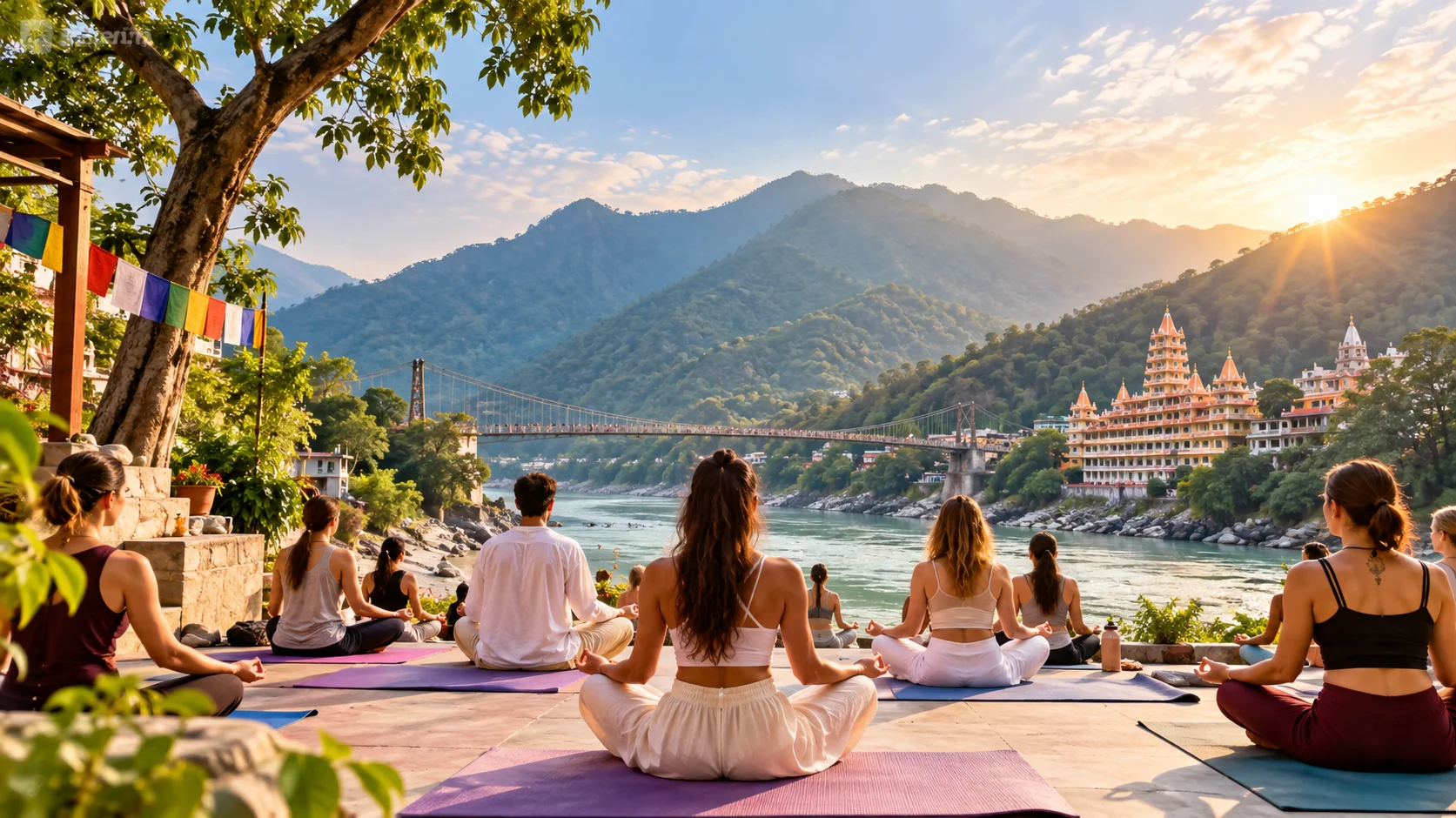
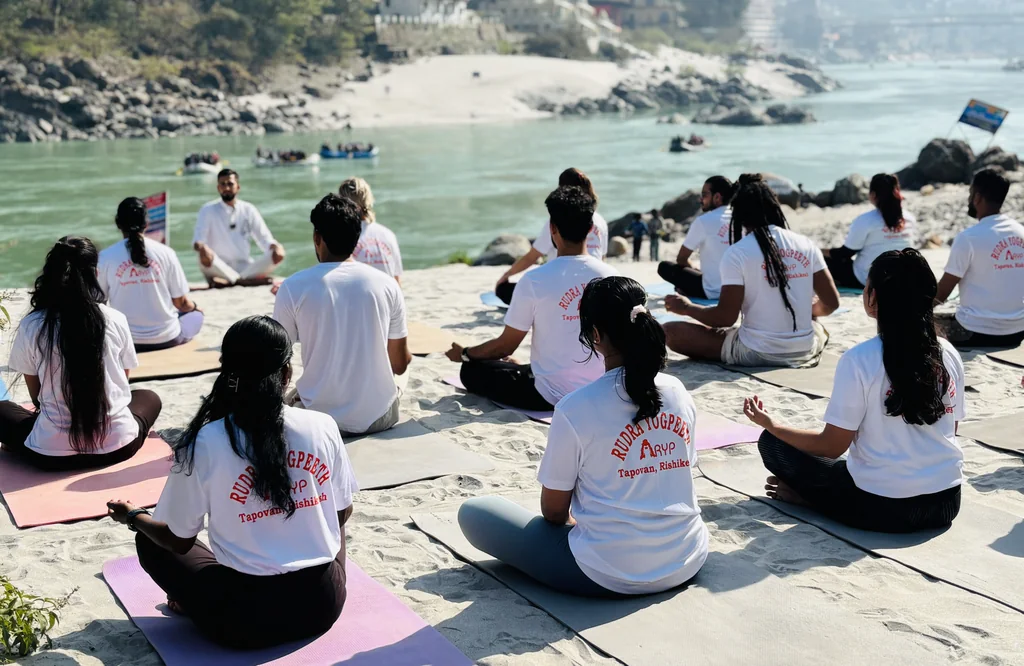
The ghats near the Ganges are tranquil with the aesthetic scenery, soothing views and sheer beauty. You can feel true peace by just sitting near the Ganga. To bring a soothing experience to the course, every Thursday morning at our school is scheduled for the yoga sadhanas on the banks of the holy river, Ganga. The lessons:- Asana Pranayama Meditation Ganga Puja
Hatha Yoga sessions conducted by our school are a positive workout for one's physical and mental wellness. It originated years ago with the aim to attain health and peace. The practice also benefits you with strength and flexibility. Hatha Yoga works on the basic aim of, Promoting health and longevity Strengthening the mind Awakening the Kundalini Practices: Joints and glands exercise foundation practices Joints and glands exercise advanced practices Centering postures series (Yoga Sequence Builder) Surya Namaskar (Sun Salutation) Chandra Namaskar (Moon Salutation) Standing postures series Kneeling postures series Sitting Postures series Forward bending postures series Backward bending postures series Supine postures series Prone Postures series Fire Series series Inversions series Twisting postures series Balancing Postures series Relaxing Posture series Meditative Asana Series Philosophy Of Hatha Yoga You have done practice sessions but what about theory? It is also as important as practice sessions. If you are not theoretically aware of Hatha yoga and its elements, you are not able to practice it well. Surya Namaskar Philosophy Hatha Yoga Philosophy Kundalini Awakening Asanas Yog Sadhana Benefits of Hatha Yoga Asanas Rules and Regulations Advancing Yoga Poses
Mantra Mantras are sacred sounds, words, or phrases which are recited to attain spiritual attention. In other words, a mantra is a tool of the mind. It helps the mind in focusing better. Sanskrit syllable 58 syllables Power of vibration of all syllables Mantra vibration in chakras Healing mantras Mantras for physical healing Mantras for mental healing Mantras for emotional healing Mantras for spiritual healing Mantras for planetary disorders Mantra for sun Mantra for moon Mantra for Saturn Mantra for vrihaspti/guru Mantra for Mangala Mantra for healing the different diseases Mantra for Cancer Mantra for HBP Mantra for heart problem Mantra in pregnancy Mantra for stress relief Mantra for concentration Mantra Healing for all planets Surya Mantra (Sun Mantra) -Om Hring Hraung Suryay Namah Chandra Mantra (Moon Mantra) - Om Aing Kling Somay Namah Mangala Mantra - Om Hung Shring Bhaumay Namah Buddha Mantra - Om Aing Shring Shring Budhay Namah Brihaspati Guru Mantra - Om Hring Cling hung Brihsptye Namah Shukra Mantra - Om Hring Shring Shukray Namah Shani Mantra - Om Aing Hring Shring Shanaishchray Namah Rahu Mantra - Om Aing Hring Rahave Namah Ketu mantra - Om Hring Aing Ketave Namah Mantra Diksha Mantra Diksha is an important initiation ceremony of the tradition that is scheduled to be done on the first day of the course. After getting ready, students are advised to dress up in white to join the opening ceremony of the yoga course. The ceremony is conducted by respected Pandit Ji or Guru Ji who transmits energy inside you with powerful mantras. What'll happen during Mantra Diksha? Dhara Pujan (Worship to mother earth) Ganesh Pujan (Worship to Ganesha to remove obstacles) Hawan (Fire ceremony) Aarti (Prayer) Music Kirtan Gayatri diksha Guru Mantra Distribution of books and teaching materials
Chakras are energy points of the body. They are believed to be spinning disks which is needed to be open and aligned for healthy well-being. In the human body, there are 7 chakras. Characteristics of each chakra, Muladhara Chakra or Root Chakra Sound: Lam Location: Between the anus and genitals, the base of the spine Petal: Four Petals Color: Red Swadhistana or Sacral Chakra Sound: Vam Location: Below the bellybutton Petal: Six Petals Color: Orange Manipura or Solar Plexus Chakra Sound: Ram Location: The Upper Abdomen Petal: Ten Petals Color: Yellow Anahata or Heart Chakra Sound: Yam Location: Above the heart Petal: Twelve Petals Color: Green/Pink Visuddha or Throat Chakra Sound: Ham Location: Throat Petal: Sixteen Petals Color: Blue Ajna or Third Eye Chakra Sound: Om Location: Between the eyebrows Petal: Two Petals Color: Indigo Sahasrara or Crown Chakra Sound: Silence Location: Top of the head Petal: One Thousand Petals Color: Violet, Gold, White
Just like you involve your body in physical exercise for its benefits, in the same way, meditation is an exercise for mental health. With the power of meditation, you can control your mind and block negative and unnecessary thoughts. You enter into a deep state of relaxation where peace is the ultimate goal. During the meditation class, you are advised to sit quietly by keeping your focus on a single thing. It helps you in eliminating tension and stress. With the 300 Hours yoga teacher training course, you get to learn basic and intermediate techniques of meditation. The four weeks program work as, Week 1: Introducing Meditation and Building Foundation Week 2: Making the mind able to focus on a single aspect with concentration process and exercises. Week 3: Meditation Techniques Week 4: Chakra Awareness and Kundalini Meditation What'll you learn? Mind and its role in meditation Nature of mind Why the mind is anxious? Meditation as Reverse Journey of Pratiprasava Brain Waves Music and Meditation Emotional Purification Meditation Past Life Healing with Meditation Samadhi with Meditation Styles Of Meditation Practices Himalayan Meditation Practices Advance Foundational Meditation Practice Breath- Mind- Mantra Awareness Trataka Meditation Anapana Meditation Nada Meditation Practices Music Meditation Pranava Meditation Advance Mantra Meditation Active Meditation Practices Dynamic Moving Meditation (Osho) Contemplative walking Meditation in daily life Tantra & Kundalini Meditation Practices Meditation for Muladhara Chakra Meditation for Swadhisthana Chakra Meditation for Manipura Chakra Meditation for Anahata Chakra Meditation for Visuddhi Chakra Meditation for Ajna Chakra Meditation for Sahasrara Chakra Guru chakra Meditation Kundalini Meditation Vipassana & Passive Meditation Practices Breath Awareness Mindfulness and Sensation Total Awareness Practice Kirtan Dhyan Mantra Japa Silence Practice
Mudra is a symbolic gesture. It is normally practiced with hands and fingers, explaining the flow of energy in the subtle body. It brings a wondrous change in body and mind. The 300 Hours Yoga Course explains, Hasta Mudra (Hand Mudra) Yoni mudra Linga Mudra Bhairava Mudra Bhairavi Mudra Energy Mudra Viparita Karnai Mudra Mahabandha Mudra Mahabheda Mudra Kundalini Mudra Ashwini Mudra Vajroli Mudra Sahajoli Mudra Shambhavi Mudra
Prana, the life energy Yama means control. It is the foundation practice of the traditional form of yoga. It is not just a breathing practice but much more than this. The class of pranayama reveals its secrets and the power of pranayama to gain the right health, peace, and balance. Four Weeks of Pranayama Week 1: Advanced pranayama practices Week 2: Variations and experiments Week 3: Awakening nadis and chakras Week 4: Teaching practices and mastery of breathing Topics: What is Pranayama? How pranayama brought happiness Physiology of prana Elements in nature of prana Prana body types Astrology of Breathing science Prana and it routes How prana flows in the body Prana & Consciousness Number of breaths we take Research on prana Health parameter with breath length Guideline and discipline of pranayama Intermediate and Advance Practices of Pranayama Clavicular Pranayama (Upper Chest Pranayama) Thoracic Pranayama (Middle Chest Pranayama) Koshtiya (Diaphragmatic Pranayama) Full body Yogic Pranayama Pranava Pranayama (Om Meditation Breathing) Nadi Shodhana Pranayama or Anulom Vilom Pranayama Bhastrika Pranayama (Bellows Breath) Kapalbhati Pranayama (Skull Shining Breath) Bhramari Pranayama (Humming Bee Breath) Ujjayi Pranayama (Ocean Breath) Sitali Pranayama (Cooling Breath) Sitkari Pranayama (Hissing Breath) Murcha Pranayama (Swooning Breath Yoga) Surya Bhedi Pranayama (Right Nostril Breathing) Chandra Bhedi Pranayama (Left Nostril Breathing)
In yoga, anatomy is a crucial subject for yoga teachers and learners. In the class, you will get to know physical anatomy and spiritual anatomy. Physical Anatomy Prana supply to the respiratory system Function of cells Digestive system Circulatory system Endocrine system Physical transformation with yoga Hormone secretion in yoga Effects of pranayama on the respiratory system Effects of Yoga practice and Nauli on the digestive system A muscular and skeletal system with advanced postures Therapeutic applications of Yoga postures Avoid injuries in asana class Anatomy of pelvic griddle and spine Spiritual Anatomy Advanced details regarding the energy channel Anatomy of the 7 chakras (Muladhara Chakra, Swadhisthana Chakra, Manipura Chakra, Anahata Chakra, Visuddhi Chakra, Ajna Chakra, Sahasrara Chakra) Kundalini (Prime Energy and Souce of All Creativity) Pancha Kosha (5 Layers)
"Shat" means "Six" and "Karma" means "Actions". Thus, as per yogic science, Shatkarma is six cleansing actions that help to clean your body and mind. It is well described in the Hatha Yoga Tradition. Shatkarma is an important practice to maintain a balance between body and mind and also promote well-being. The practice eliminates toxins from the body and unblocks energy channels. With the 300 Hours Yoga TTC, you will learn, 11 major systems of the body Body purification What is Shatkarma or Shatkriya? Ancient scriptures of Hatha Yoga Pradipika Gheranda Samhita Precautions while performing shatkarmas Practices Vamana Kriya (Purification of the upper digestive tract) Vastra Dhauti (Cleansing of the stomach and oesophagus) Laghu Sankha Prakyalana (Cleasning of the stomach and intestines) Bama Nauli Kriya Dakshina Nauli Kriya (Cleansing of the right abdomen) Vyaghra Kriya
Yoga Nidra is also known as Psychic Sleep. The practice creates a state between waking and sleeping. It is a state of consciousness. One can go into this deep and conscious sleep with the practice of guided meditation. Yoga Nidra can also be termed as the victory over sleep. You can relax your mind and complete the sleep of 8 hours in just a short practice of yoga nidra. When you go through the epic, Mahabharata, you get to know that Arjuna (one of the Pandavas) was associated with Yoga Nidra. Week Wise topics of the 300 Hours Yoga TTC, Week 1: Antar Mauna Yoga Nidra (Inner Silence) Week 2: Yoga Nidra with 61 points blue star Week 3: Subtle body and Yoga Nidra Week 4: Chakra awareness with Yoga Nidra What'll you learn? Sleep Awareness Subtle Body From the state of consciousness to superconscious Therapy of Yoga Nidra Yoga Nidra as a healing practice Why is sleep called Yoga here? New patterns of habits Personality transformation with Yoga Nidra Language and Yoga Nidra
Yoga Philosophy is a powerful subject that can change one's life. Many are confused that it only exists in Patanjali's Yoga Sutras but this is not true. It is the philosophy of life which can also be found in Bhagwat Geeta, Hatha Yoga Pradipika and Upanishads. The basic and main philosophy of yoga is simple, body, mind, and soul are one and one can not separate them. During the 4 weeks of the 300 Hours Yoga Course, Yoga Philosophy will explain to you the motive of life. Week 1: The World of Enlightenment (Yoga Samadhi) Yoga and Yoga Samadhi How to achieve Samadhi? Discipline of Yoga States of mind Controlling the mind What is Samadhi? What if we are not in the state of Samadhi? The right knowledge, wrong knowledge, imagination, sleep & memory Why practice Yoga Samadhi? Self-practice Types of Samadhi Yogi who born with yoga and bodiless yogi How to achieve Samadhi? What is God? What is Om? How to overcome obstacles in yoga? The utmost Samadhi Week 2: (Yoga Sadhana) Tapasya (Intense practice of Yoga) How to practice Tapasya? Swadhyaya (Self-Analysis, self-discovery) Surrender to the Divine Kriya Yoga? Ignorance and emotional attachment Minimising pain Past life; pain and pleasure How pain lives with you and how it generates and vanishes Clear perception Right action Stability Control of sense organ Experience of self Source of liberation How to achieve total withdrawal and separation of mundane psychology Viveka kyati – insight discrimination Eight limbs of yoga Week 3: Yoga Vibhuti Concentration Meditation Samadhi External and internal yoga How can a yogi know the past and future Understanding the language of animals Know about the past life Making the body invisible How Yogis receive the knowledge of the entire cosmos How cessation of hunger and thrust is achieved Acquiring complete stillness Celestial beings How the flash of illumination happens How can one have knowledge of the mind Siddhis? Are they helpful or hindrances for Sadhana? How can one enter another’s body How can a Yogi walk on thorns and water Achieving the divine sense of hearing How can one make a body as light as cotton wool that can soar in the sky Achieving glorification and indestructibility of bodily qualities. Week 4: Yoga Kaivalya How Siddhi generates Achieving Kaivalya (liberation) Revision of the first week- Samadhi Yoga Revision of the second week –Sadhana Yoga Revision of the third week –Vibhuti Yoga Revision of the fourth week – Kaivalya Yoga
Yoga is the wellness science for nurturing the body, mind and spirit. It is the natural healing process to keep you healthy and free from illness. Yoga therapy uses yoga postures, breathing exercises (pranayama), meditation, and other practices to improve physical and mental well-being. Yoga therapy encourages the amalgamation of the body, mind, and spirit. In the 300 Hours Yoga Course, you will learn, The disease of the head and neck Headache Thyroid Heart problems Circulatory problems Respiratory system and its disorders The common cold Bronchitis and Eosinophilia Asthma Sinusitis and Hay Fever Tonsillitis Disorder of the Digestive system Upper Digestive disorders Peptic Ulcer Constipation Colitis Acute Gastro Enteritis Diabetes Hepatitis The problem of Obesity Arthritis Cervical Spondylitis Back pain Slipped Disk and Sciatica Kidney stones Menstrual disorder Disorders of the male reproductive system Hernia Skin problems
Yogic counselling for a healthy life. Yogic techniques to use in daily lifestyle. Yoga cures common diseases like Headaches, migraine, colds, sinus, etc. Yoga tools for back issues like backache, slipped disk, sciatica, diabetes, thyroid, spinal deformities, obesity, etc.
Yoga is the education of life and if you wish to clear the advanced yoga program of 300 hours, then do follow the criteria given below: Get a registered certificate of the 300 hours yoga ttc with a registered yoga school Stay present in all lectures Submit assignments timely Conduct full yoga sessions Achieve passing marks at the end of the course
Who Is This Course For
The 300 Hour Yoga TTC in Rishikesh is built for teachers who have already completed a 200-hour yoga teacher training and are ready to deepen both their practice and the way they teach. It is an advanced course, not an introduction — and that is exactly what makes it worth doing.
Students arrive at this course from very different places: some are teaching full-time and want more to offer, others want to reach RYT 500, and some simply feel their own practice has stopped growing. You will recognise yourself in at least one of these:
Why Rudra Yogpeeth
With hundreds of yoga schools in Rishikesh, choosing the right one is one of the most important decisions of your yoga journey. Here is why thousands of students from across the world searching for the best 300 hour yoga teacher training in India choose Rudra Yogpeeth year after year:
Join a school that is trusted, certified, and rooted in Rishikesh — the birthplace of yoga. Limited seats per batch, so secure yours early.
Rudra Yogpeeth holds an active RYS 300 registration with Yoga Alliance USA — the gold standard of yoga education credibility worldwide. Every aspect of our 300 hour teacher training — the curriculum depth, contact hours, faculty qualifications, and teaching methodology — is fully aligned with Yoga Alliance's internationally recognised framework.
One thing that sets Rudra Yogpeeth apart is that no single teacher handles everything. Each subject — Hatha Yoga, Ashtanga, Meditation, Pranayama, Yoga Philosophy, Anatomy, and Sound Healing — is taught by a dedicated specialist who holds an RYT-500 certification and has 10+ years of real teaching experience. You get the depth and clarity that only a true subject expert can offer, which makes every class richer, safer and more transformative.
Over the years, Rudra Yogpeeth has welcomed more than 10,000 students from 60+ countries. Many of them share their experiences on platforms like Google and Yoga Alliance, with an average rating of 4.9 out of 5. It's this genuine feedback and word-of-mouth that has helped build trust over time.
We keep things simple when it comes to fees. The course price is all-inclusive, covering your stay, meals, classes, and study materials, so you can focus fully on your training without worrying about extra or hidden costs.
We intentionally keep our batch sizes small (approx. 15–20 students per batch) so that each student receives individual attention, hands-on adjustments, and personalised feedback from teachers — a key factor that sets serious yoga schools apart from overcrowded institutions.
All accommodation options, from shared rooms to private rooms, are clean, safe, and offer mountain-facing views. Three wholesome sattvic meals are served daily, prepared fresh with organic vegetables, with vegan and no-garlic/onion options available.
Learning does not stop in the classroom. Students get to experience cave meditation, Himalayan sunrise tours, Ganga Aarti ceremonies, Ganga bath rituals, temple visits and kirtan nights as part of their training — giving the course a deeply spiritual and culturally rich dimension that most schools never offer.
By the end of your training, you don’t just receive a certificate—you leave with the confidence to teach, a deeper personal practice, and a clearer understanding of yoga as a way of life.

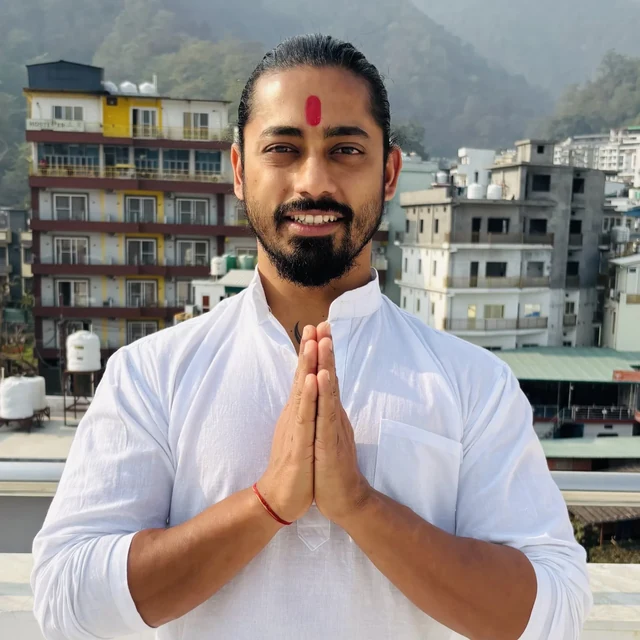
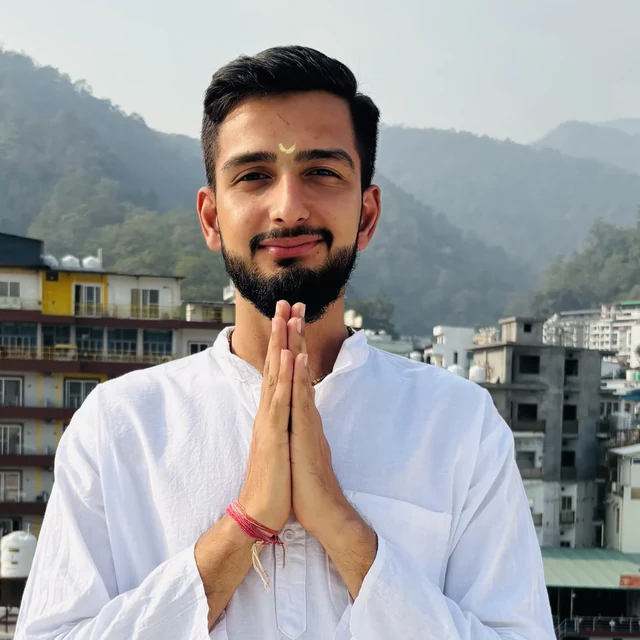
Yoga Gurus and Faculty
Reviews & Testimonials

Upcoming Batches
The 300 Hour Yoga Teacher Training in Rishikesh at Rudra Yogpeeth runs monthly throughout the year, starting on the 1st of each month, with all-inclusive fees starting from ₹24,999 covering accommodation, three daily meals, all classes and materials, excursions, and your Yoga Alliance RYT 300 certification.
Upcoming Dates and Seats Availability
Our courses are available year-round, with monthly batches.
Our 300-hour curriculum follows Yoga Alliance standards, combining the required teacher-led contact hours with structured self-study to complete the full 300-hour training.
All course fees include accommodation and daily vegetarian meals.
Enroll NowAll-Inclusive Course Fee
Your training includes complimentary wellness workshops, mantra chanting, meditation, sound healing, bhakti yoga, and exclusive bonus learning sessions designed to enrich your complete yoga journey.

A deep sound bath with singing bowls and gongs that resets the nervous system.

A playful partner practice blending strength, balance and trust with fellow students.

Chant traditional Sanskrit mantras and shanti verses to settle the mind into meditation.

A heart-opening kirtan evening of singing, chanting and dance reconnecting you to devotion.

An outdoor session by the waves that grounds the body and clears the mind.
Rooms and Food
Rudra Yogpeeth provides on-campus accommodation for all enrolled students in private and shared rooms, with three freshly prepared sattvic vegetarian meals included daily, so you can focus entirely on your training without worrying about logistics.
We want you to feel at home, rested, and ready to give your best every single day.


Your Next Step In Yoga
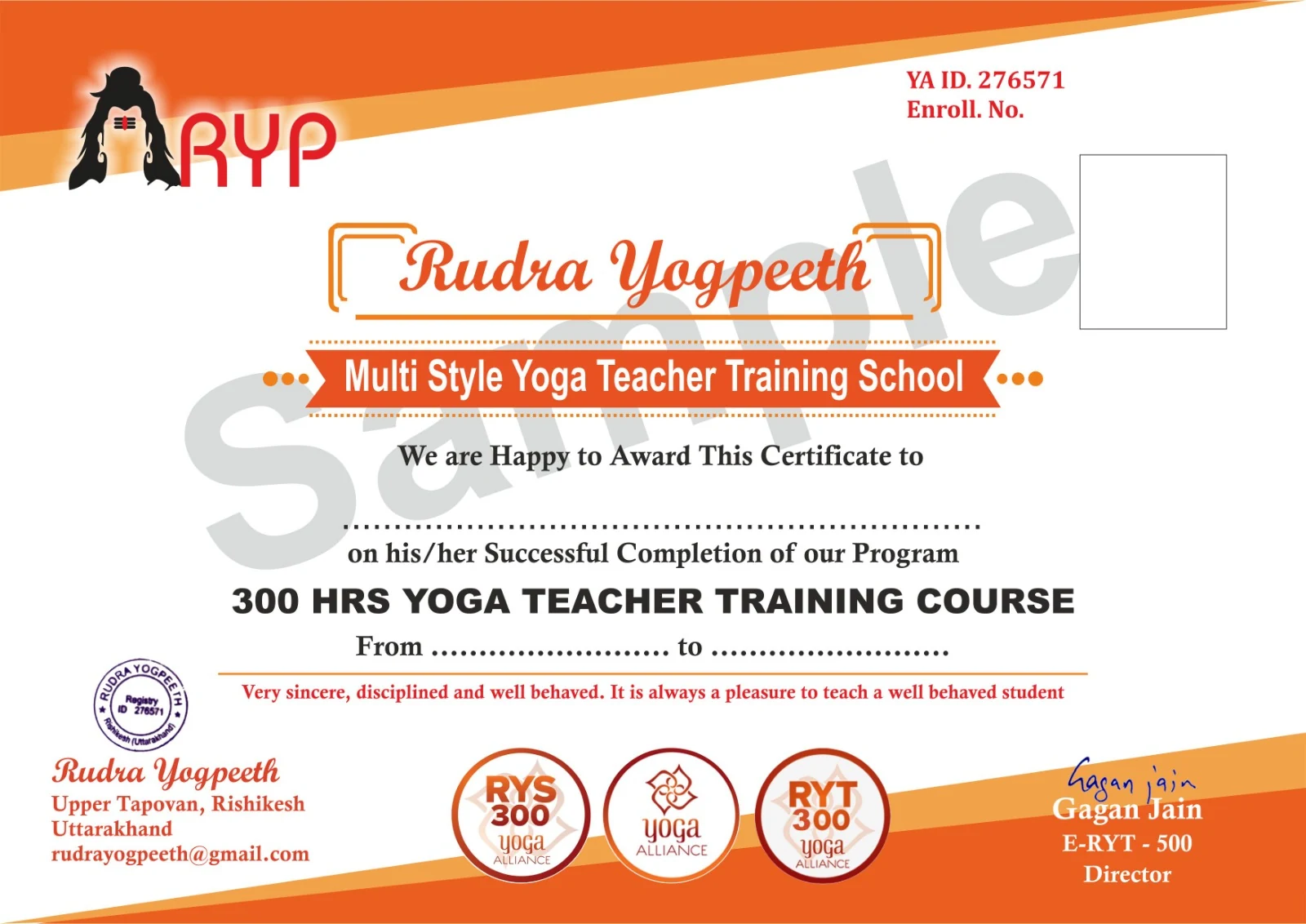
Yoga Alliance is one of the most widely recognised organisations setting global standards for yoga teacher training. Being trained at a registered school gives your certification international credibility.
Rudra Yogpeeth is a Registered Yoga School (RYS), which means your 300-hour training meets these global standards and allows you to register as an RYT 300 (Registered Yoga Teacher).
How to Register as a RYT 300 Teacher in the Yoga Alliance
Your Teaching Journey Begins
After completing your 300 hours yoga teacher training in Rishikesh and registering with Yoga Alliance as an RYT 300, you can begin teaching in a way that suits your lifestyle and goals.
Many students begin by teaching at local yoga studios, gyms, or wellness centres to gain real experience in front of a class and build a teaching rhythm.
Online classes allow you to reach students beyond your location and build your own small community — ideal for those who want to teach from anywhere in the world.
One-to-one or small group classes are common when starting out and help you grow your confidence as a teacher with personalised, focused work.
Freelance teaching gives you the freedom to manage your own schedule and style of teaching, choosing where, when, and how you want to share your practice.
Some teachers gradually build their own regular classes, workshops, or retreats over time — turning teaching into a sustainable, self-directed practice.
If you are already in fitness, therapy, or wellness, yoga can be added as part of what you offer — deepening your existing work and broadening your value to clients.
Most students don't do everything at once. Some start part-time, some go full-time. The course gives you a clear starting point — you build the rest step by step.
Internationally Certified
Trusted International Yoga School Rudra Yogpeeth is a globally certified yoga school, certified by Yoga Alliance USA. Our school is registered as an RYS 200, RYS 300 and RYS 500 with Yoga Alliance the world's largest non-profit yoga network connecting teachers and schools across the globe. Every course we offer meets internationally recognised standards, ensuring you complete your training with certifications that are respected and accepted worldwide.
Registered with Yoga Alliance USA, ensuring all courses meet global yoga teaching standards and are internationally recognised.
Approved to offer 200-hour training. Students can register as RYT 200 and start teaching professionally.
Certified to deliver advanced 300-hour training. Combined with a 200-hour certificate, students become RYT 500.
Authorised to offer complete 500-hour training. Students earn the RYT 500 qualification — a globally respected teaching level.
eBooks For Yoga
You may not be aware that there exist ebooks. In addition, there are several excellent free yoga eBooks available. Finding high-quality ones that are free requires some searching, but fortunately for you, we did the legwork for you. The eBooks listed below are all excellent, have excellent reviews, and are free!
This curated PDF library offers a variety of yoga poses, mudras (hand gestures), breathing exercises, and deep philosophy. You can start practicing right away with the thorough and simple instructions you will discover. Send the page to friends and coworkers so they can download their own copies too.


Questions You May Have
The 200-hour YTTC is considered a foundational level program designed for individuals who may be new to yoga and want to experience personal practice. The 300-hour YTTC is an advanced program intended for those who have completed 200 hours of YTTC and have a certain level of teaching experience, as it builds a strong foundational knowledge and provides in-depth study and specialization options.
Yes, this course is definitely advanced in technique and methodology.
Various styles are taught in this course, such as Hatha, Vinyasa, Ashtanga, Kundalini, Yin-Yang, Pranayama, Meditation, and more.
There are different teachers for various topics included in the syllabus. We have individual experts who take care of diverse subjects. The whole course usually has 5-6 teachers who train you to become that potential yoga teacher.
Don't worry; after booking your course with us, every detail is delivered to you through telephone conversation and e-mails. We believe in complete transparency during communication, be it room stay, food, excursion programs, classes, and other things.
There is no refund if you have paid some advance for the course fee. For complete information, check our refund policy for the same.
Everything is nearby. The bus stand is 10 minutes away, the railway station is 10 minutes away, and a flourishing local market is hardly 15 minutes away. Since Tapovan is a happening place, you get to experience everything in a close-knit circle. Also, the ATM is 3 minutes away from our school.
Yes, feel free to order whatever you like. You can bring your favorite snacks and share them with us as well :) Also, we have Swiggy and Zomato food delivery apps that work exclusively to deliver food to the doorstep. You can order from there. So there are absolutely no restrictions! But please make sure everything is vegetarian. How can I apply for a 300-hour yoga course?To apply for the 300-hour yoga course, you have to first apply for the 200 hour yoga course and get your certification from a renowned yoga school that is affiliated with Yoga Alliance USA. After this, you can apply for the 300 hour YTTC by filling out a registration form on the website and completing all the other formalities.
We don't want our students to indulge in those activities that we can manage. We want you to relax and let us cook the most delicious food for you. Our chef is always there to make heart-warming yet healthy food just the way you want.
We advise our students to carry less cash and access ATMs for cash withdrawals. The nearest ATM from the school is hardly 3 minutes away. There are also other digital payment methods, such as scanning the QR code and paying without any hassles. Since Rishikesh is digitally friendly & you don't have to be worried about paying in cash all the time. But to pay digitally, you must be associated with an Indian Bank account. If you are staying a bit longer in India, consider carrying your International credit card or debit card since several vendors also accept the same here. Also, TransferWise and PayPal are helpful in the case of other remittances.
It is mostly pleasant, but during Indian summers, it can be a little too hot, and during winters, it is primarily lovely chill. Students enjoy the climate; when it rains, it feels like the mountains are roaring in the clear blue skies.
Yes, the local market is only 10 minutes away, and you get to see the real-authentic Rishikesh market where you can shop, eat & enjoy.
Yes, you can apply for our 300 hour YTTC even if you don't have any prior yoga experience.
Yes, you can do self-study. We provide enough time for our students to study on their own and clear their doubts during the class.
Rishikesh is the land of sages and has a spiritual reference, a rich yoga tradition, the natural beauty of the Himalayas & cultural influence that makes this place a perfect fit for yoga training courses.
Topics may vary and are definitely more evolved and advanced than the 200-hour YTTC.
Mostly the teachers remain the same except in some cases or for new advanced subjects.
Clarity Before You Book
All classes are mandatory. Only in the case of an emergency or illness can one take leave with a respected teacher's permission. Uninformed leaves won't be accepted and will affect the student's monthly performance. Please read the policies below carefully before enrolling — they are written to protect both students and the school, and to keep the training environment safe, focused, and fair for everyone on campus.


Getting Here
Rishikesh is easy to reach by air, train, bus, or road. Use the guide below to pick the travel option that fits your plans, and we'll support you with detailed instructions once your booking is confirmed.
| Mode | Route | Time / Notes |
|---|---|---|
| By Air | Fly to Jolly Grant Airport (Dehradun) → 35 km to Rishikesh | ~1 hr drive — Free pickup included |
| By Train | Haridwar Railway Station → Rishikesh | ~30 min by taxi / bus |
| By Bus | ISBT Kashmiri Gate Delhi → Rishikesh | ~6–7 hrs overnight |
| By Road | Delhi → Rishikesh via NH58 | ~5–6 hrs drive |